

Revitalize Faster with Cryo-Massage Healing and Relaxation
Therapeutic technique combining the benefits of cold therapy (cryotherapy) with traditional massage. This dual approach reduces inflammation, promotes healing, and provides deep relaxation to the body.
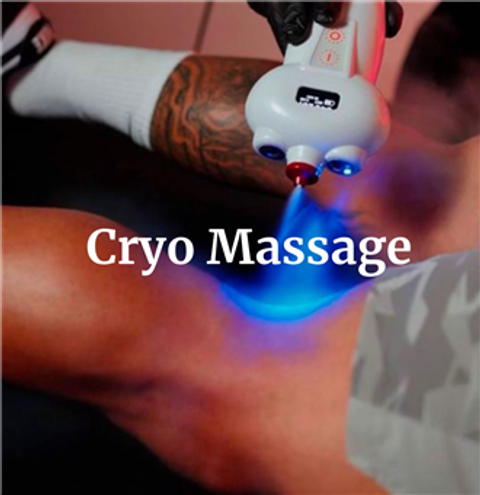
Our Cryo-Massage Treatment Options Available
$$MultiPurposeText$$
Choose 60 or 90 minute sessions tailored for recovery and relaxation.
Cryo-Massage – 60 Mins
$120.00Cryo-massage is a therapeutic technique that combines the benefits of cold therapy (cryotherapy) and massage. The cold temperatures reduce inflammation and promote healing, and the 50-minute traditional massage follows the cryotherapy session for relaxation to the body.
Cryo-Massage – 90 Mins
$150.00Cryo-massage is a therapeutic technique that combines the benefits of cold therapy (cryotherapy) and massage. The cold temperatures reduce inflammation and promote healing, and the 80-minute traditional massage follows the cryotherapy session for relaxation to the body.
Why Choose Cryo-Massage With Us
$$MultiPurposeText$$
Proven benefits, expert therapists, and customized care for effective healing.
Targeted Inflammation Reduction
Cold therapy constricts vessels then increases circulation, reducing swelling and accelerating tissue repair after injury.
Speeds Recovery Time
Combining cryotherapy with massage boosts cellular repair and mobility, helping athletes return to activity sooner and stronger.
Pain Relief Benefits
Cold numbing plus manual release soothes chronic and acute pain, improving comfort and sleep quality over time.
Deep Relaxation Experience
Layered relaxation techniques integrated with cryotherapy calm the nervous system and melt away muscle tension for lasting calm.
What Our Clients Say
$$MultiPurposeText$$
Read testimonials from our satisfied customers

At Artistry Spa & Wellness, I got a facial done and it was very refreshing and relaxing , ...more

...more
Our Gallery
$$MultiPurposeText$$
See our work come to life--explore the gallery!


Cryo-Massage Frequently Asked Questions Answered
Answers to common questions about Cryo-Massage safety, benefits, and appointment details.
By applying controlled cold alongside massage, Cryo-Massage first constricts blood vessels to limit swelling, then promotes circulation and lymphatic drainage as tissues rewarm. This dual action decreases inflammation, reduces pain, and accelerates the body’s natural healing processes without invasive treatment.
Most healthy adults tolerate Cryo-Massage well, but it isn’t suitable for everyone. Clients with cold sensitivity, Raynaud’s disease, uncontrolled hypertension, or certain circulatory conditions should consult a physician. Our therapists perform screenings and tailor treatments to ensure safety.
You’ll start with a short consultation and targeted assessment. During the session, you’ll feel intermittent cooling followed by warm massage techniques. Therapists alternate cryo-applications and manual work to relieve tension. Sessions last 60 or 90 minutes, ending with aftercare advice for optimal recovery.
Frequency depends on goals—acute injury vs maintenance. For acute issues, treatments may be scheduled two to three times weekly initially. For maintenance and relaxation, weekly or biweekly sessions are common. Our therapists will recommend a personalized plan based on response.
Common mild effects include temporary redness, numbness, or slight tingling where cold was applied. These typically resolve within hours. Rarely, sensitive individuals may experience prolonged numbness or discomfort—notify your therapist if sensations persist. We adjust intensity to minimize side effects.
Yes. Cryo-Massage is highly effective for sports-related inflammation, muscle strain, and post-workout soreness. It reduces swelling, improves range of motion, and speeds tissue healing when combined with appropriate rehabilitation. Our therapists coordinate with athletes’ needs and training schedules for optimal results.